
The Bank of Canada's decision to cut its overnight policy rate to 2.25% in October 2025 marks a pivotal moment for Canadian households navigating the borrowing landscape in 2026. This 25 basis point reduction (Bank of Canada) followed a similar cut in September, signaling the central bank's evolving stance on monetary policy.
With inflation hovering near the 2% target while underlying pressures persist, Canadian borrowers face a complex financial environment that demands careful planning.
By the Numbers
- 2.25%: Bank of Canada overnight policy rate as of October 2025 (Bank of Canada)
- 2.2%: Total CPI inflation in October 2025 (Bank of Canada)
- 2.5%: Underlying inflation rate reported in October 2025 (Bank of Canada)
- 32.5: Percentage point increase in tariff rates on Chinese goods since early 2025 (Bank of Canada)
- 50: Total basis points cut between September and October 2025 (TD Stories)
Understanding the October 2025 Rate Decision
The Bank of Canada's October rate cut represented a continuation of its easing cycle that began in September 2025. The central bank reduced its target for the overnight rate by 25 basis points to 2.25%, with the Bank Rate at 2.5% and the deposit rate at 2.20% (Bank of Canada).
This decision came against a backdrop of moderating inflation. Total CPI inflation had slowed to around 2% by the time of the October decision (Bank of Canada), though underlying inflation remained more stubborn at about 2.5%.
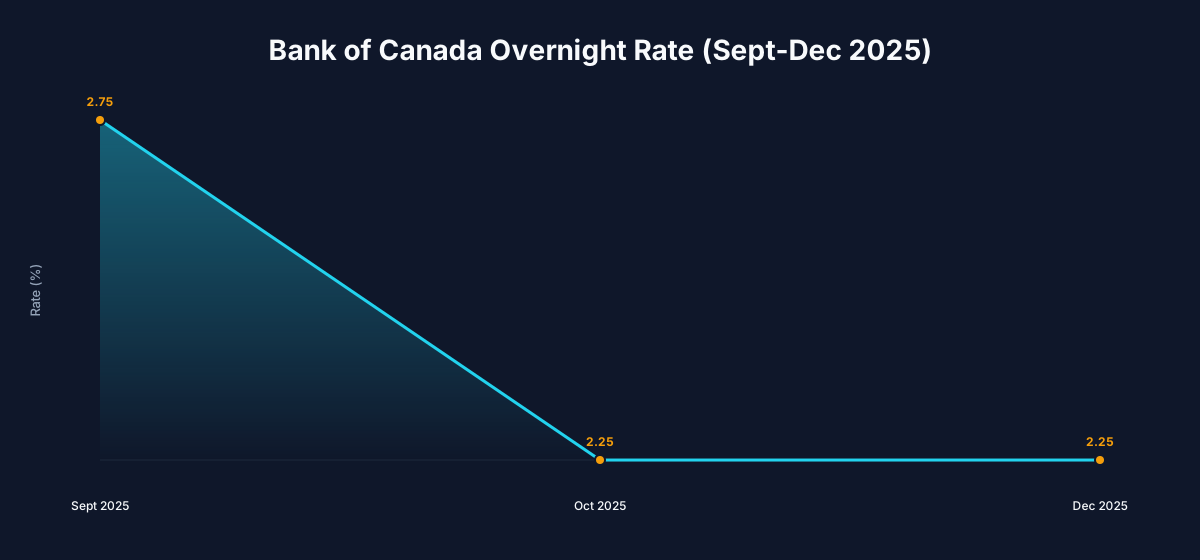
The timing proved significant. Core inflation measures had been running at about 3% before the September decision (Bank of Canada), creating pressure on household budgets across the country.
Inflation Dynamics and Economic Context
By December 2025, the inflation picture had evolved further. CPI inflation settled at 2.2%, driven primarily by falling gasoline prices and slower food price increases (Bank of Canada). However, core inflation measures remained elevated in the 2.5% to 3% range.
The Bank of Canada assessed underlying inflation at 2.5% in its December analysis (Bank of Canada). This persistence in core price pressures explains why the central bank held rates steady at 2.25% in December rather than cutting further.
International trade tensions added another layer of complexity. The total tariff rate increased by 32.5 percentage points on Chinese goods and 8.5 percentage points on euro area goods compared with the start of 2025 (Bank of Canada).
Impact on Canadian Borrowing Costs
The cumulative 50 basis points of rate cuts between September and October 2025 (TD Stories) has created new dynamics in the Canadian lending market. Variable-rate mortgage holders have seen their payments adjust downward, while those considering new loans face a different rate environment than earlier in 2025.
For personal loans, the lower policy rate typically translates to reduced borrowing costs, though the exact impact varies by lender and borrower creditworthiness. Those with bad credit may see less dramatic improvements in their offered rates.
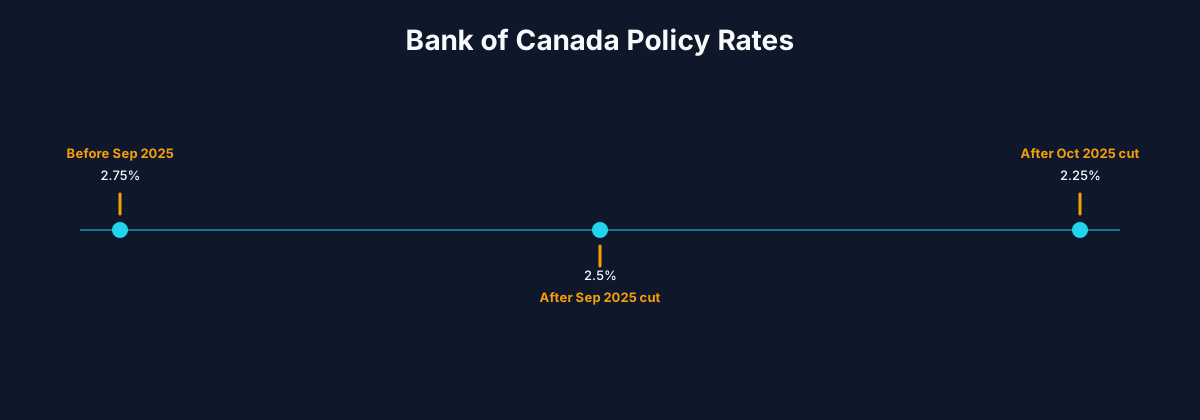
The stability at 2.25% following the December 2025 decision (Bank of Canada) suggests the central bank is taking a measured approach to further easing.
Navigating the Current Rate Environment
Canadian households in 2026 face important decisions about managing existing debt and taking on new obligations. The October 2025 rate cut to 2.25% (Bank of Canada) has created opportunities for refinancing and debt consolidation.
With underlying inflation still at 2.5% (Bank of Canada), real interest rates remain relatively low. This environment affects different types of borrowing in distinct ways:
| Loan Type | Policy Rate Impact | Key Consideration |
|---|---|---|
| Variable-Rate Mortgages | Direct impact from 2.25% overnight rate (Bank of Canada) | Payment adjustments reflect rate changes |
| Fixed-Rate Loans | Indirect influence through bond markets | Rates set based on longer-term expectations |
| Lines of Credit | Varies | Prime rate adjustments follow policy changes |
Those considering home equity options or auto loans should evaluate their debt-to-income ratios in this new rate context.
Frequently Asked Questions
What was the Bank of Canada's policy rate after the October 2025 decision?
The Bank of Canada reduced its overnight policy rate to 2.25% in October 2025, down from 2.5% (Bank of Canada). This represented the second consecutive 25 basis point cut, following a similar reduction in September 2025.
How does the 2.25% policy rate compare to inflation levels?
With CPI inflation at 2.2% in October 2025 (Bank of Canada) and the policy rate at 2.25%, real interest rates remain marginally positive. However, underlying inflation at 2.5% (Bank of Canada) suggests some ongoing price pressures.
Why did the Bank of Canada hold rates steady in December 2025?
The central bank maintained the 2.25% rate in December 2025 (Bank of Canada) despite having cut twice in the fall. Core inflation measures remaining in the 2.5% to 3% range likely influenced this pause in the easing cycle.
Ready to see how these rate changes affect your borrowing power? Use our AI loan advisor to get personalized rate estimates based on your financial profile and the current lending environment. 📊