How to Improve Your Credit Score in Canada
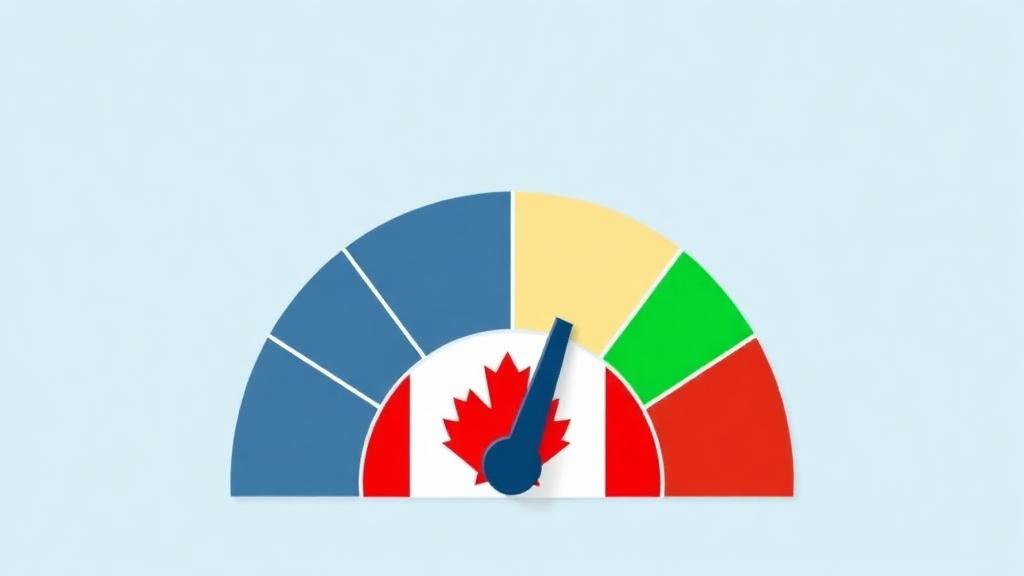
Your credit score is the single biggest factor in determining your loan approval odds and interest rate. In Canada, credit scores range from 300 to 900, with most lenders considering 680+ as "good" and 750+ as "excellent." Understanding how your score works — and what you can do to improve it — can save you thousands of dollars over the life of a loan.
How Credit Scores Work in Canada
Canada has two major credit bureaus: Equifax and TransUnion. Both use slightly different scoring models, but the factors are broadly the same. Your score is calculated from five main categories, each weighted differently:
- Payment history (35%): Whether you pay bills on time
- Credit utilization (30%): How much of your available credit you're using
- Credit history length (15%): How long your accounts have been open
- Credit mix (10%): Variety of credit types (cards, loans, mortgage)
- New credit inquiries (10%): How often you've applied for credit recently
Step 1: Check Your Credit Report for Errors
Start by getting a free copy of your credit report from both Equifax and TransUnion. You're entitled to one free report per year from each bureau. Look carefully for:
- Incorrect account balances or credit limits
- Accounts that don't belong to you
- Late payments that were actually made on time
- Duplicate entries for the same account
- Accounts still showing as open that you've closed
Disputing errors is one of the fastest ways to boost your score. If you find an error, file a dispute directly with the bureau. They're required to investigate within 30 days.
Step 2: Reduce Your Credit Utilization
Credit utilization — the percentage of your available credit that you're using — is the second biggest factor in your score. The golden rule: keep utilization below 30%. Below 10% is even better.
Example: If you have a credit card with a $10,000 limit, try to keep your balance under $3,000 at all times. If you have multiple cards, utilization is calculated both per-card and overall.
Pro tip: If you can't pay down balances immediately, consider requesting a credit limit increase. This lowers your utilization ratio without requiring you to pay down debt (though paying down debt is always the better option).
Step 3: Never Miss a Payment
Payment history is the most heavily weighted factor at 35%. Even one missed payment can drop your score by 50-100 points and stay on your report for up to 6 years in Canada.
- Set up automatic payments for at least the minimum due
- Use calendar reminders 5 days before each due date
- If you do miss a payment, pay it as soon as possible — the impact increases the longer it stays unpaid
- Contact your creditor if you're struggling; many will work with you before reporting to the bureau
Step 4: Keep Old Accounts Open
The length of your credit history accounts for about 15% of your score. Closing your oldest credit card — even if you don't use it much — can hurt your score in two ways: it shortens your average account age and reduces your total available credit (increasing utilization).
If the card has no annual fee, keep it open and use it for a small recurring charge (like a subscription) to keep it active. If it has an annual fee, call and ask to downgrade to a no-fee version.
Step 5: Limit Hard Inquiries
Each time you formally apply for credit (a "hard inquiry"), it can temporarily drop your score by 5-10 points. Too many inquiries in a short period signals to lenders that you may be desperate for credit.
Exception: When shopping for a mortgage or auto loan, multiple inquiries within a 14-45 day window are typically counted as a single inquiry. This is called "rate shopping" and the bureaus account for it.
- Space out credit applications by at least 6 months when possible
- Check if a lender offers pre-qualification with a soft inquiry first
- Use tools like LoanIQ to estimate your approval odds without any credit check at all
Step 6: Diversify Your Credit Mix
Having a variety of credit types — credit cards, a car loan, a line of credit, a mortgage — shows lenders you can manage different kinds of debt responsibly. This doesn't mean you should take on debt just for the sake of variety, but if you only have credit cards, adding a small installment loan or line of credit can help.
Step 7: Consider a Secured Credit Card
If your score is very low or you're building credit from scratch, a secured credit card is one of the best tools available. You provide a security deposit (usually $300-$500) which becomes your credit limit. Use it for small purchases and pay the balance in full each month.
Most secured cards report to both Equifax and TransUnion, so you'll start building positive history immediately. After 6-12 months of responsible use, you can typically upgrade to an unsecured card and get your deposit back.
How Long Does It Take?
Be patient. Most improvements take 3-6 months to fully reflect in your score. Here's a rough timeline:
- Disputing errors: 30-45 days
- Reducing utilization: 1-2 billing cycles (30-60 days)
- Building positive payment history: 3-6 months
- Recovering from a missed payment: 12-24 months for full impact to fade
- Building history from scratch: 6-12 months for a meaningful score
The Bottom Line
Improving your credit score is a marathon, not a sprint. Focus on the high-impact actions first: fix errors, reduce utilization, and never miss payments. Even small improvements can translate to significantly better loan rates. A score increase from 620 to 680 could save you 3-5 percentage points on a personal loan — that's hundreds or thousands of dollars over the life of the loan.
Use LoanIQ to estimate how your current credit range affects your approval odds and rate estimates. It's free, takes under 2 minutes, and doesn't affect your credit score.