LoanIQ — Canada's AI Loan Advisor
LoanIQ is a free AI-powered loan advisor for Canadians. Get instant approval estimates, rate bands, and personalized borrowing strategies — all without a credit check.
How LoanIQ Works
- Choose your loan type — personal, business, mortgage, home equity, auto, truck, emergency, equipment financing, merchant cash advance, or bad credit loans.
- Answer a few questions — about your credit range, income, province, and loan amount. No personal information required.
- Get your AI-powered results — estimated approval probability, rate band, and two strategies: one optimized for approval, one for the best rate.
Loan Types Available in Canada
Borrow $500–$50,000 with terms from 6 to 60 months. Rates range from 6.99% to 34.99% APR — the federal Criminal Code §347 cap effective January 1, 2025. Common uses include debt consolidation, major purchases, and unexpected expenses.
Business financing from $5,000 to $500,000 with terms from 3 months to 5 years. Rates from 4.99% to 29.99%. Requires business revenue history and time in business.
Purchase and refinance mortgages across Canada. Rates from 4.49% to 8.99%. Key factors include down payment, property value, credit score, and income.
Borrow against your home equity at rates from 5.49% to 12.99%. Requires home value and existing mortgage balance information.
New and used vehicle financing with rates from 4.99% to 24.99% and terms from 12 to 84 months.
Commercial and personal truck financing with rates from 5.49% to 19.99%. Specialized lenders for commercial vehicles.
Fast funding within 24–48 hours. Amounts from $500 to $15,000. Higher rates reflect speed and risk profile.
For credit scores under 650. Specialized lenders who work with challenging credit profiles. Rates from 19.99% up to the federal §347 cap of 34.99% APR.
Revenue-based business funding with repayment tied to daily or weekly revenue. Factor rates from 1.1x to 1.5x.
Finance business equipment purchases where the equipment serves as collateral. Rates from 5.99% to 18.99%.
Free Financial Calculators
Guides & Resources
Frequently Asked Questions
Does LoanIQ do a credit check?
No. LoanIQ never performs a hard or soft credit check. All estimates are based on your self-reported credit score range and financial profile.
Is LoanIQ free?
Yes. LoanIQ is completely free to use. There are no fees, subscriptions, or hidden charges.
How accurate are the estimates?
LoanIQ's estimates are based on statistical models using Canadian lending data. They provide a directional estimate — actual approval and rates depend on the lender's own underwriting criteria.
What provinces does LoanIQ cover?
LoanIQ covers all Canadian provinces: Ontario, British Columbia, Alberta, Quebec, Manitoba, Saskatchewan, Nova Scotia, New Brunswick, Newfoundland and Labrador, and Prince Edward Island.
How is LoanIQ different from a mortgage broker?
LoanIQ is an AI-powered tool that provides instant estimates and strategy recommendations. It does not replace professional financial advice but helps users understand their options before applying.
Ask LoanIQ — Common Canadian Loan Questions Answered
Get clear, plain-English answers to the most common loan questions from Canadians. Our Q&A library covers credit scores, approval tips, mortgage stress tests, and more.
- Browse All Questions
- What credit score do I need for a personal loan in Canada? — Most lenders prefer 650+, but approval is possible with scores as low as 500 through alternative lenders.
- How can I improve my credit score quickly in Canada? — Pay down balances below 30%, dispute errors, set up auto-payments, and avoid new applications.
- Should I get a personal loan or a line of credit? — Personal loans offer fixed rates and payments; lines of credit offer flexibility for ongoing needs.
- How much can I borrow with a personal loan in Canada? — Typically $500 to $50,000 depending on income, credit score, and lender criteria.
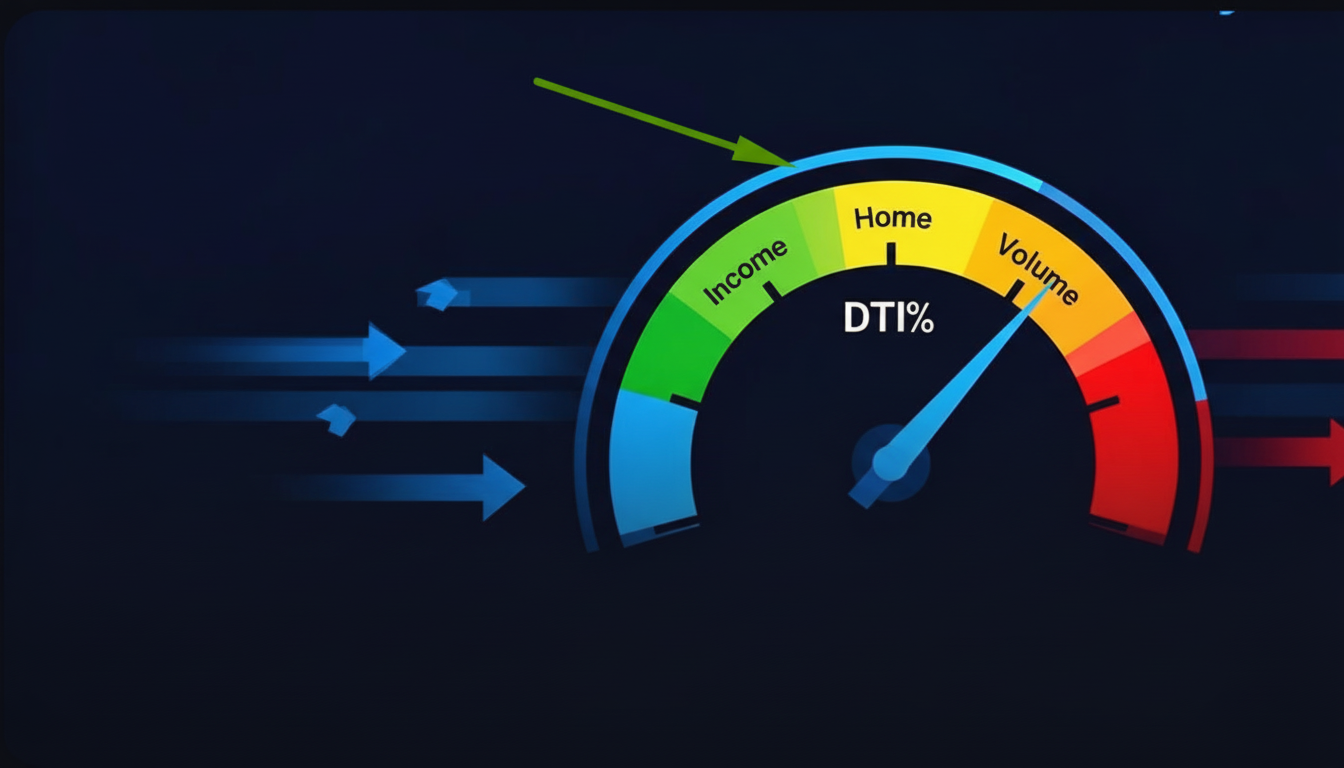
- What is debt-to-income ratio and why does it matter? — DTI measures your monthly debt payments vs income. Most lenders want DTI below 40%.
- Can I get a loan with bad credit in Canada? — Yes, through subprime and alternative lenders, though rates will be higher.
- Should I consolidate my debt? — Consolidation can simplify payments and lower interest if you qualify for a better rate.
- What is the mortgage stress test in Canada? — A federally mandated test ensuring you can afford payments at a qualifying rate higher than your contract rate.
- How to get a business loan in Canada? — Prepare revenue history, business plan, and understand your options from banks, credit unions, and alternative lenders.
- HELOC vs. Home Equity Loan: What's the difference? — A HELOC is a revolving credit line; a home equity loan is a lump-sum with fixed payments.
- How long does it take to get a personal loan in Canada?
- How does a co-signer affect my loan application?
- What documents do I need to apply for a loan?
- What happens if I default on a loan in Canada?
- What is the Bank of Canada interest rate impact on loans?
AI Loan Advisor
LoanIQ's AI Loan Advisor uses machine learning to analyze your financial profile against Canadian lender criteria. Answer 5–7 questions about your loan type, amount, credit range, and income to receive two personalized strategies: one optimized for maximum approval probability, and one for the best possible rate. No credit check, no personal information, completely free.
About LoanIQ
About LoanIQ — LoanIQ is an AI-powered loan advisory platform built for Canadians. Since 2016, we've helped borrowers understand their options, compare lenders, and make smarter financial decisions using data-driven insights rather than guesswork.
Province-Specific Loan Pages
More Resources
© 2026 LoanIQ. All rights reserved. Canada's AI-powered loan advisory platform.