Estimate Your MCA Options
Quick estimate based on your revenue. No obligation.
50+ Canadian lenders analyzed · Licensed & regulated only
No Credit History
Having no credit history (often called a "thin file") is different from having bad credit. Some lenders have programs for newcomers to Canada or young adults building credit for the first time. A co-signer with established credit can significantly improve your options. Consider starting with a smaller loan to build your credit profile.
What This Means for You
No credit history — commonly called a "thin file" — is a fundamentally different situation from bad credit, but many lenders treat them similarly because their risk models can't score what they can't see. This creates a frustrating catch-22: you need credit to get credit. However, several pathways exist specifically for thin-file borrowers. Newcomers to Canada face unique challenges: strong credit histories in other countries often don't transfer to Canadian reporting agencies. However, programs specifically designed for newcomers are growing rapidly. Major banks like RBC, Scotiabank, and TD have newcomer banking programs that include credit products. Some offer unsecured credit cards and personal loans within the first year of arrival, using immigration status, job offers, and professional credentials as alternative qualification factors. Young adults building credit for the first time have different advantages. If you have a student loan or have been paying rent consistently, some lenders will consider these as credit-equivalent payments. Credit-builder loans, secured credit cards, and authorized user status on a family member's credit card are foundational tools. The key insight for thin-file borrowers: you often qualify for better rates than bad-credit borrowers because no history is genuinely better than negative history in most risk models.
Your Action Plan
- 1Open a bank account at a major Canadian bank and maintain it for 3+ months — banking relationship matters to lenders
- 2Get a secured credit card (requires a deposit) and use it monthly, paying the full balance — this builds credit history fastest
- 3If you're a newcomer, explore RBC's Newcomer program, Scotiabank's StartRight, or TD's New to Canada Banking — these include credit products
- 4Ask a family member with good credit to add you as an authorized user on their credit card — their positive history can appear on your report
- 5Consider a credit-builder loan from a credit union — you 'save' the loan amount while building payment history
- 6If you're a student or recent grad, check if your institution has partnerships with lenders offering student/graduate rates
- 7Keep any existing recurring payments (phone, internet, rent) on time — some lenders now consider these in their assessment
- 8Gather documentation of your financial stability: employment letter, pay stubs, savings, and any international credit references
Common Questions — No Credit History
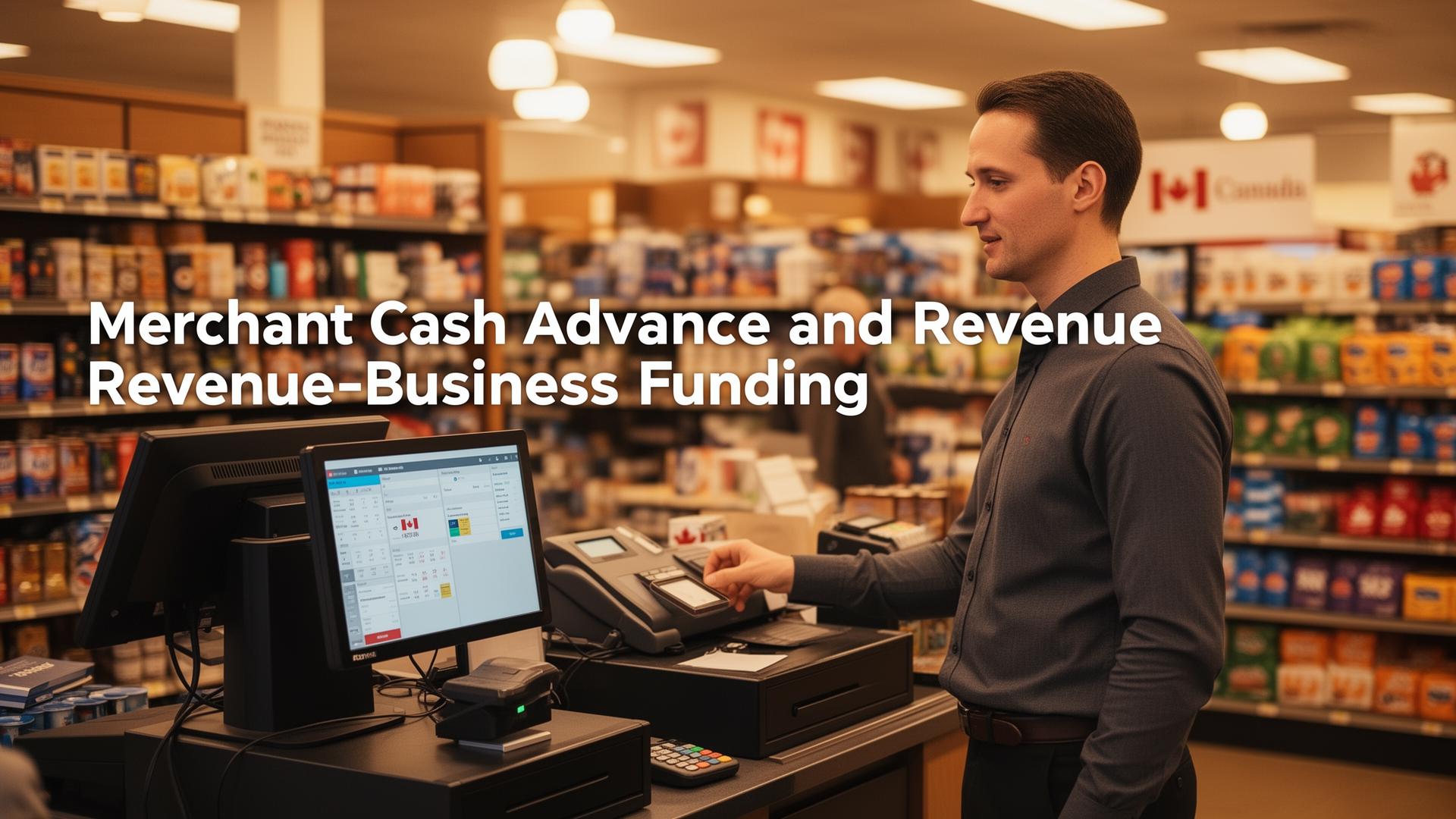
A merchant cash advance (MCA) provides upfront capital repaid through a percentage of your daily credit card or debit sales. It's one of the fastest ways for businesses to access capital — often within 48 hours — and approval is based on your sales volume rather than personal credit.
How It Works
Share your sales data
Monthly card/debit revenue is the key input — that's what determines your advance size.
Quick business profile
Industry, time in business, and desired amount. Under 2 minutes.
See your MCA estimate
Estimated advance amount, factor rate, and daily holdback percentage.
Get funded fast
MCA providers can fund within 48 hours — among the fastest options available.
MCA Qualification Factors
Monthly revenue is the primary qualification factor — not personal credit
Businesses processing $10,000+/month in card sales typically qualify
Time in business: most MCA providers require 6+ months of operation
Industry type affects approval — retail and food service have high approval rates
No collateral required — funding is based on future sales
Estimated Rate Bands
| Credit Tier | Estimated Rate Range | Approval Likelihood |
|---|---|---|
| High Revenue ($50K+/mo) | Factor rate 1.1 – 1.25 | Very High |
| Medium Revenue ($20-50K/mo) | Factor rate 1.2 – 1.35 | High |
| Lower Revenue ($10-20K/mo) | Factor rate 1.3 – 1.45 | Moderate |
* Rates are estimates based on typical lender criteria. Canada's 35% APR Criminal Code cap (in force January 1, 2025) applies to consumer credit agreements; loans to incorporated businesses are commercial agreements and may exceed this rate. Your actual rate may vary. These are not offers.
When an MCA Makes Sense
MCAs work best for businesses with consistent daily sales — restaurants, retail, and service businesses.
Compare the total cost of capital, not just the factor rate, against a traditional business loan.
Use MCA for short-term needs; for larger, longer-term financing, a business term loan may be more cost-effective.
Frequently Asked Questions
Why Trust LoanIQ
Revenue-based — no fixed monthly payments
Funding in as little as 48 hours
No collateral required
Repayment adjusts with your sales volume
Plan With Our Free Calculators
Estimate payments, compare options, check affordability
Considering Other Options?
Explore More on LoanIQ
Blog & Guides
Research & Data
Estimate Your MCA Options
Quick estimate based on your revenue. No obligation.